|
Mardi Gras
Maia Taub
Center for Dispute Settlement, Monroe County Program Manager
Many people are familiar with the celebration of Mardi Gras, "Fat Tuesday", the day before Ash Wednesday. The popular saying for the celebration is, "Laissez les bon temps rouler" -- let the good times roll! But there's a history of racism around what looks like a great big party; as a result, Black people have started some rich traditions to combat the ugly history.
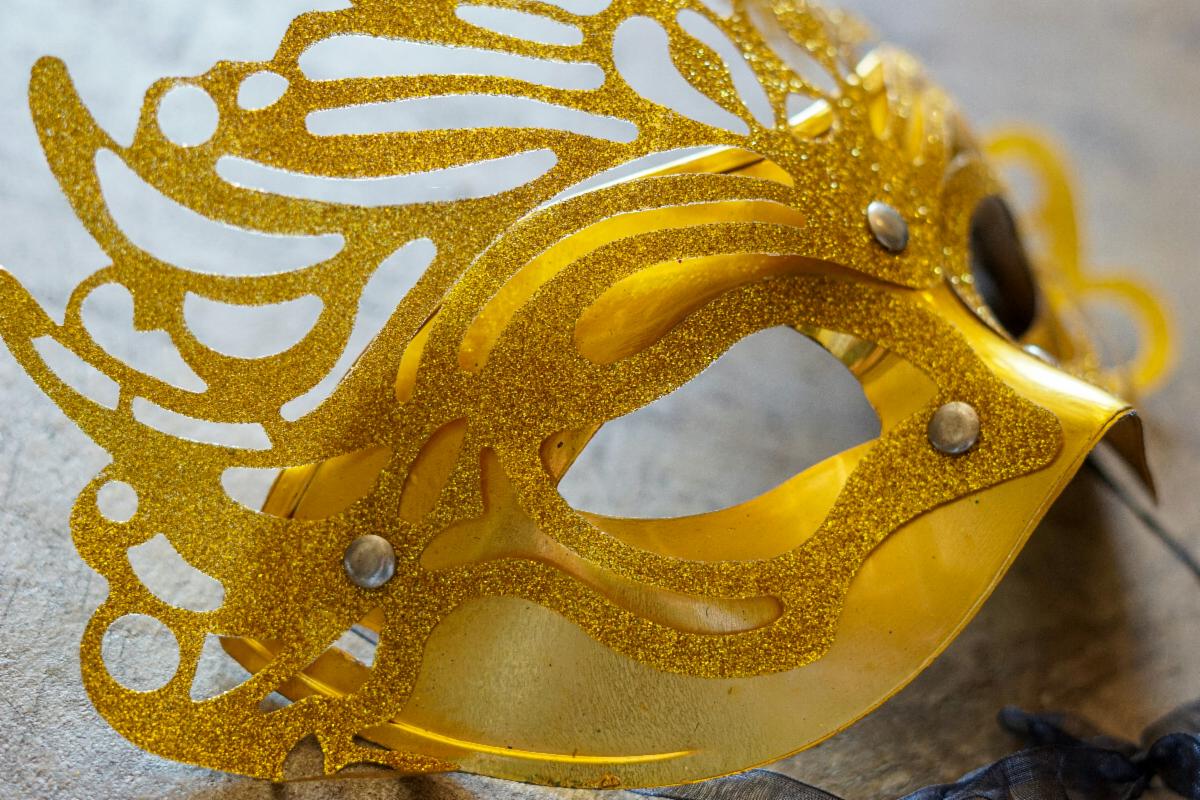
New Orleans tried to stop Black revelers from masking when white partygoers complained about Black people sneaking into their masquerades. But masks were and continue to be an integral part of the Black celebration of Mardi Gras. Long after the death of the anti-mask law, the North Side Skull and Bones Gang marched, wearing skeleton masks to honor the dead. "You next," they chant, a reasonable translation of the Latin "memento mori": remember that you, too, must die.
After the American Civil War, the only roles white people gave Black marchers in Mardi Gras parades were as flambeau carriers, torch bearers, to light the way through the night, driving home a message that they were still servants. But Black marchers did not accept subservience. Black people took advantage of creating krewes, New Orleans secret societies that host social gatherings during Carnival, from "King's Day" on January 6 until Mardi Gras itself and march in the parades with floats and treats for the onlookers. Until 1992, these krewes were racially segregated; eventually, a city ordinance was passed integrating them. One of the oldest, most prominent white krewes chose to disband rather than integrate.
That didn't stop Black krewes from forming and thriving. Prominent krewes to look out for include the Krewe of Zulu, founded in 1909 and the Black Masking/Mardi Gras Indians, who celebrate the cultural connections between Black people and Native Americans. These connections go all the way back to when "maroons", Africans who escaped enslavement by hiding in the swamps, received aid from local Natives. The Black Masking Indians represent the spiritual ties they have with Native peoples. The Black Masking Indians are a beloved part of New Orleans's celebration in their hand-beaded suits.
Black krewes brought Carnival -- the festival leading up to Mardi Gras -- into Black neighborhoods. In a city with one of the largest Black Catholic populations in the United States, that festive season carries deep meaning. But there are also krewes like the Krewe of Oshun, who set aside the colonialist European Catholic origins of the holiday to celebrate their own people, in this krewe's case the Yoruba river goddess Oshun.
Black people have taken a holiday that white people tried to gatekeep and made it their own. They gave it jazz, they gave it verve, they gave it richness. So come on, baby, let the good times roll, as the song goes.
For a more in-depth look at Black Mardi Gras traditions, check out this podcast episode: https://www.radcliffe.harvard.edu/news-and-ideas/episode-401-black-traditions-of-mardi-gras.
|